





Discounted market sale
Valuation of land for affordable housing 2nd edition, April 2016, published by the Royal Institution of Chartered Surveyors (RICS) in 2016, defines discounted market sale (DMS) as: ‘An intermediate tenure product that sees the registered provider or developer offer the unit for sale to prospective purchasers (who meet specific affordability criteria) at a specified discount to the market value of the unit. This is typically around 80% of market value, with the purchaser buying the whole 80%. In order to ensure that these units are maintained as affordable into perpetuity, when the purchaser sells the unit on, it must be at 80% (or whatever the original percentage purchased was) of the current market value. The provision of DMS is driven by local policy, where a local authority may accept the provision of this product as part of the affordable housing obligation. Often covenants will be built into DMS leases to ensure that if the property is re-sold in the future the discount to market value is maintained into perpetuity.’
[edit] Related articles on Designing Buildings
Featured articles
Check out some of the best features and news from Designing Buildings as well as key stories from around the web.
Undervaluing our industrial past

Heritage value changes as taste for building styles changes.
Changing expectations around competence and compliance

New information sheet from CIAT.
Grenfell investigation files passed to CPS

Angela Rayner apologises on behalf of the British state.

Electrical contractors need to understand the practical implications.

The real barrier to getting more value from digital technology.

Your guide to The Construction Reset at UKCW Birmingham.

Accommodating the Victorian and Edwardian working woman. Book review.
Rethinking passive fire protection in design

PFP demands the same level of design rigour as structure or services.
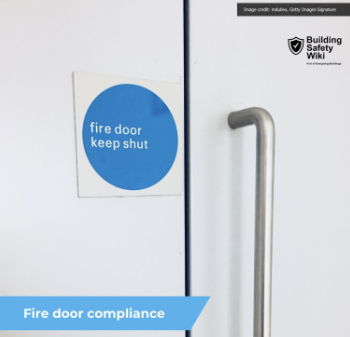
38% of Gen Zs feel safe when a fire door is wedged open.
Stunning images from around the world
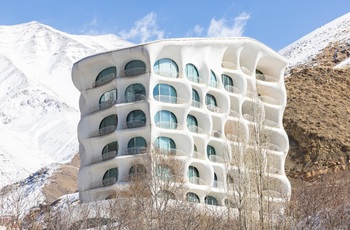
Shortlist for CIOB’s Art of Building photography competition.
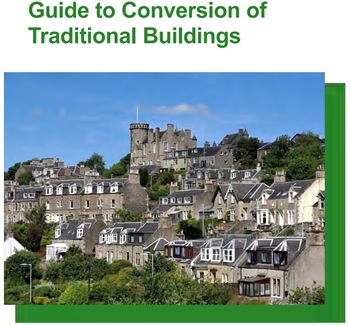
Guidance for conversion of traditional pre-1919 stone buildings.
Industrial heritage in the Ruhr
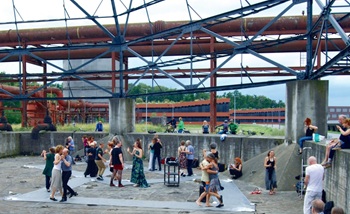
A marked difference to the fate of industrial landscapes in the UK.
Comments
[edit] To make a comment about this article, or to suggest changes, click 'Add a comment' above. Separate your comments from any existing comments by inserting a horizontal line.